Research / Image
The Portrait as Contract
What do we owe the person we photograph? A photograph is usually described as something one person takes from another. Every serious account of the medium says the opposite — that the picture is the residue of an encounter, and the encounter is the work. The question is not what you captured. It is what you entered into, and what it obliges you to.
In September 2026 I enrolled in The Portrait, a ten-week course taught by Lali Khalid at the Chicago Foto League — a new organization built around photography education that anyone can reach.
The course is about the ways we photograph people, and about the narrative that arrives through the choices a photographer makes: composition, gaze, light, symbolism. It is being taught at a moment when photography has become possible for almost anyone, through the phone already in their hand.
What it asks for is slowness. It asks you to think about how the connection between the photographer and the subject can be strengthened — because the line running from that connection to the image is made of decisions, and those decisions are what determine the picture you end up putting in front of anyone else.
I came to my first camera at about ten, and what fascinated me then was the recording itself — that a moment could be transcribed, and still arrive later feeling like something.
Photography is now something almost anyone can do, and a great deal of how it gets done is decided somewhere else. Instagram and its algorithms shape what we point at and how we color it. A Pinterest board hands us the picture before we have made it; a Fujifilm recipe hands us the look. What interests me is arriving at a point of view that is my own, and that holds without any of them.
I also think that as technology and AI take over more of the making, being able to connect with another person through creative work becomes the discipline that matters. The pictures worth having will be the ones that came out of a relationship — technology used to get closer to someone rather than further away.
A portrait is made, not captured. Even the language photography uses — shooting, taking, capturing — I am learning to find alarming.
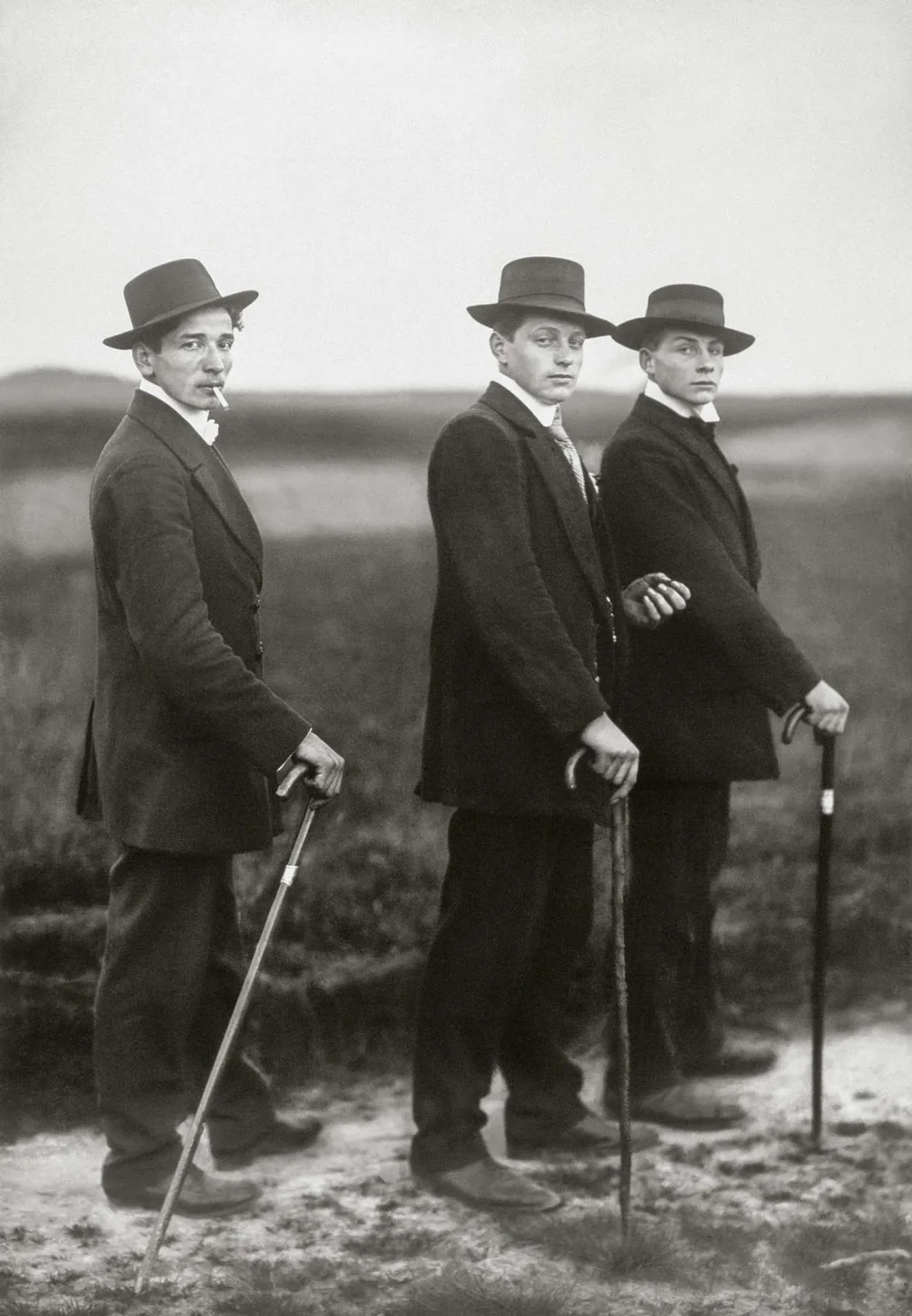
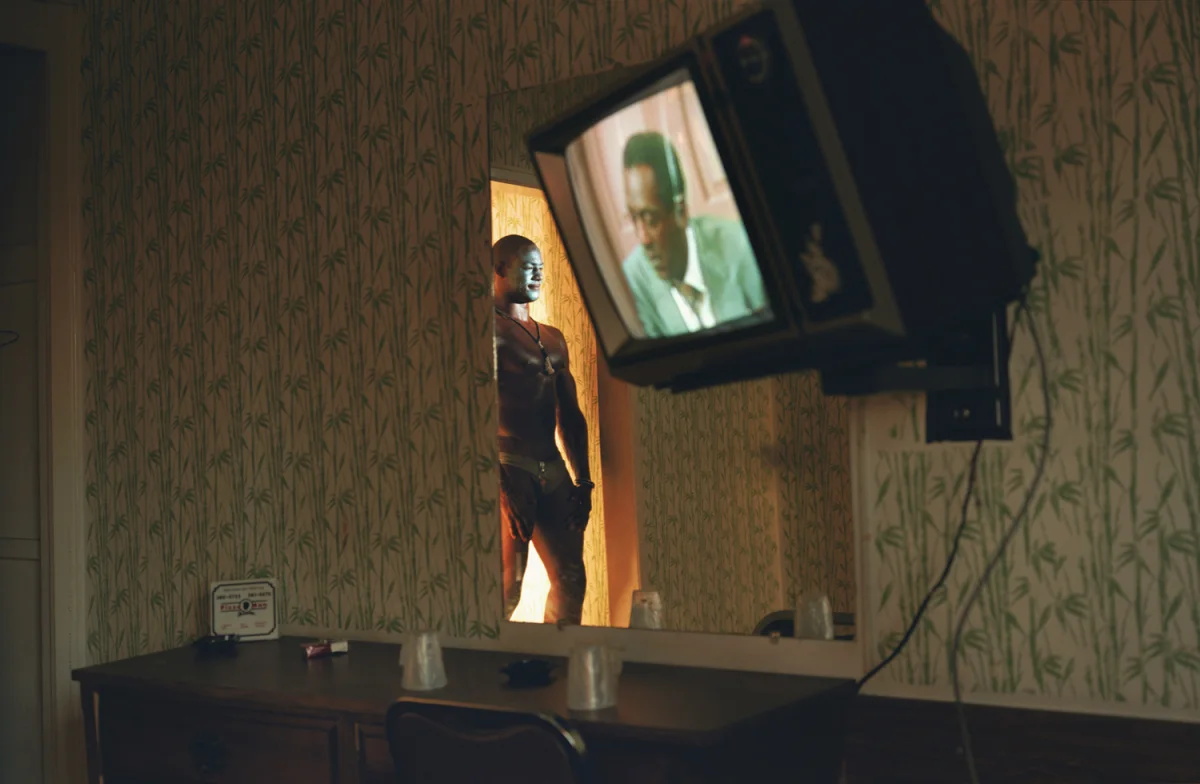
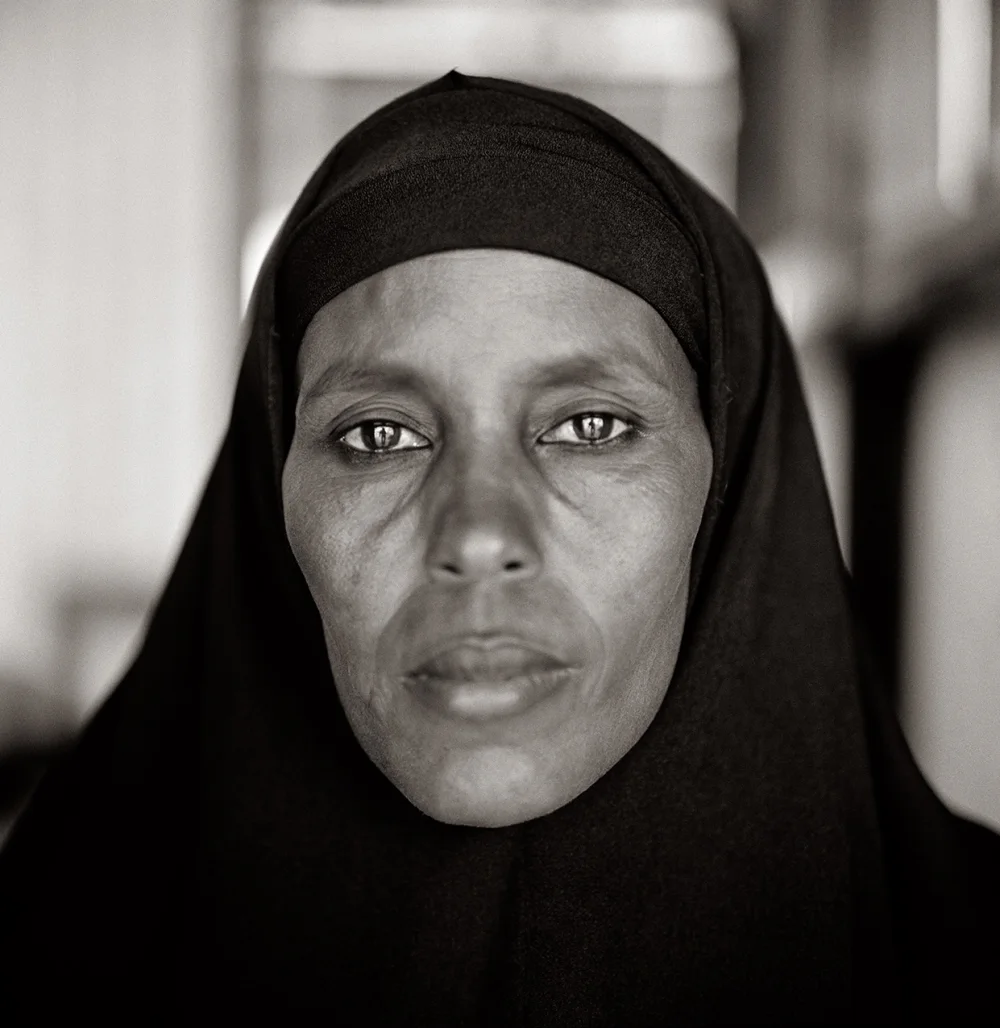
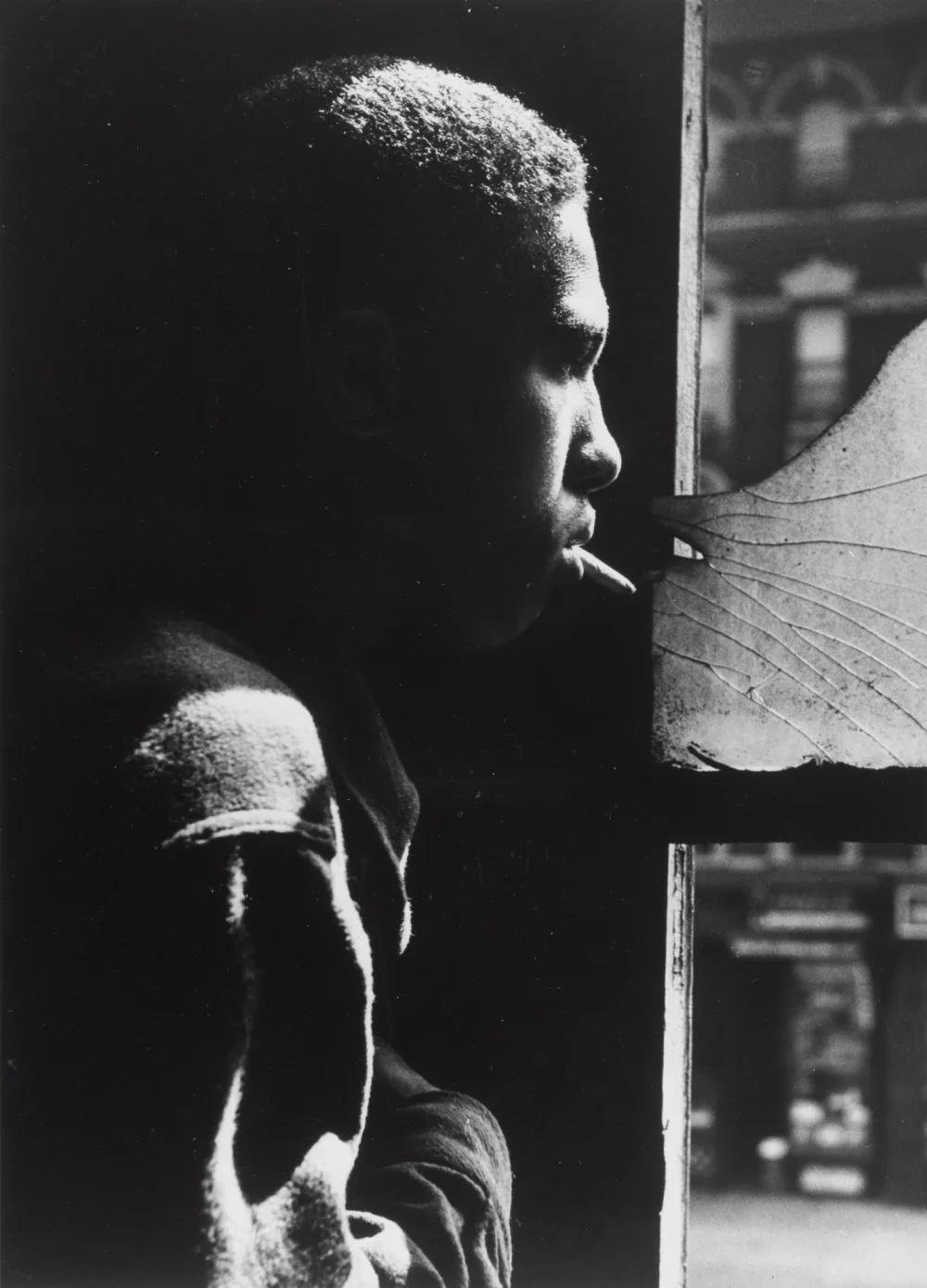
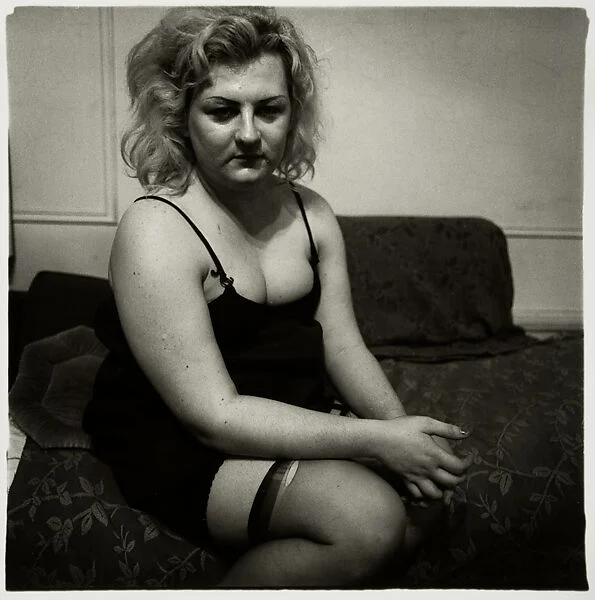
Throughout the course we have been exploring the work of August Sander, Philip-Lorca diCorcia, Fazal Sheikh, Gordon Parks and Diane Arbus — photographers who each answer the question of what is owed to the person in front of the camera differently, and none of them quietly.
I am also pushing myself to slow down in the making, by working on a rangefinder — a Leica M11. Focusing by hand is slow on purpose. It makes me consider the composition before the frame exists, and treat the picture as a layer of moments rather than a grab at one.
This page is an ongoing collection of the assignments, kept as part of the research. It is where the notes are published.
-
The Encounter
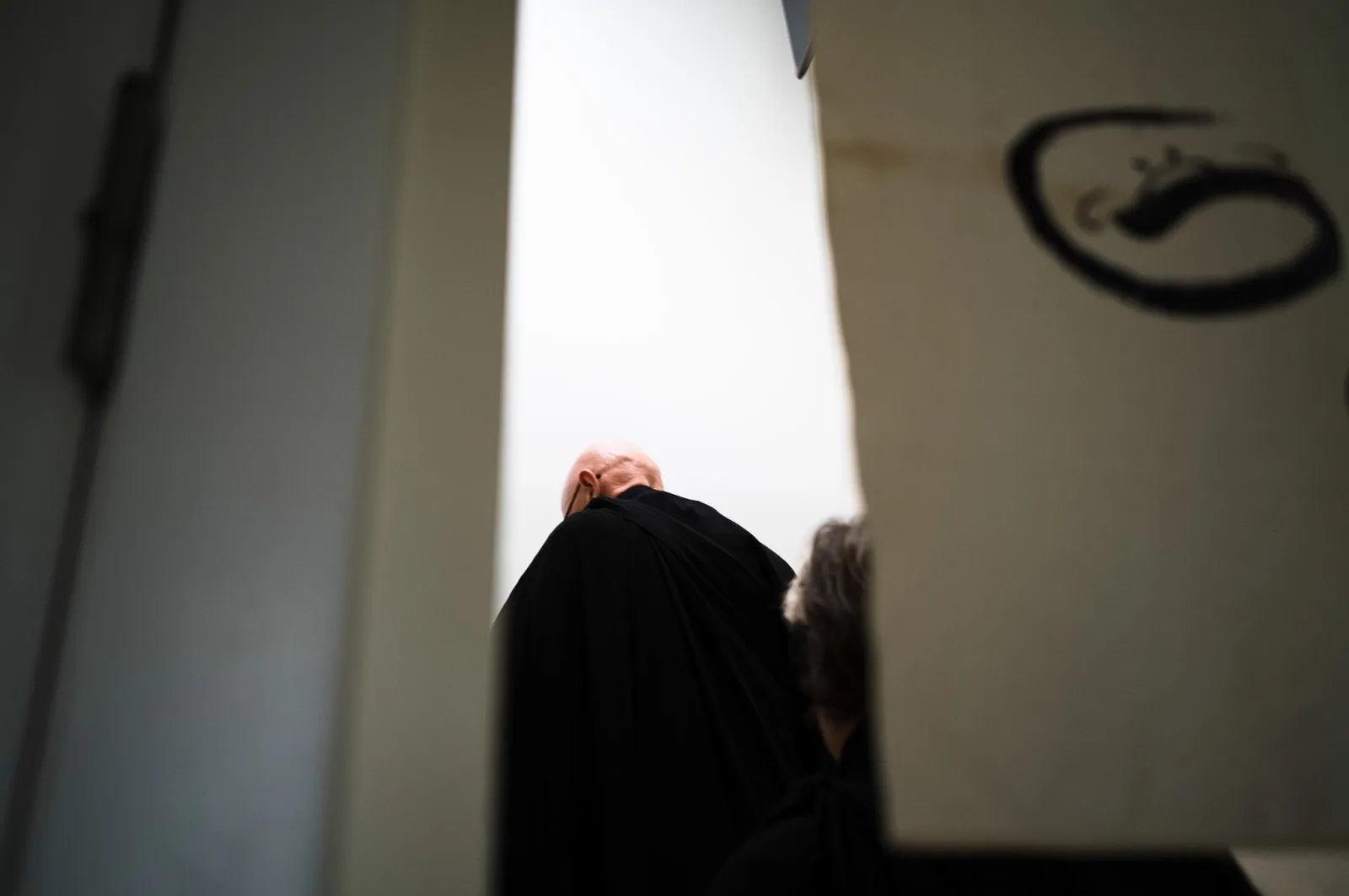
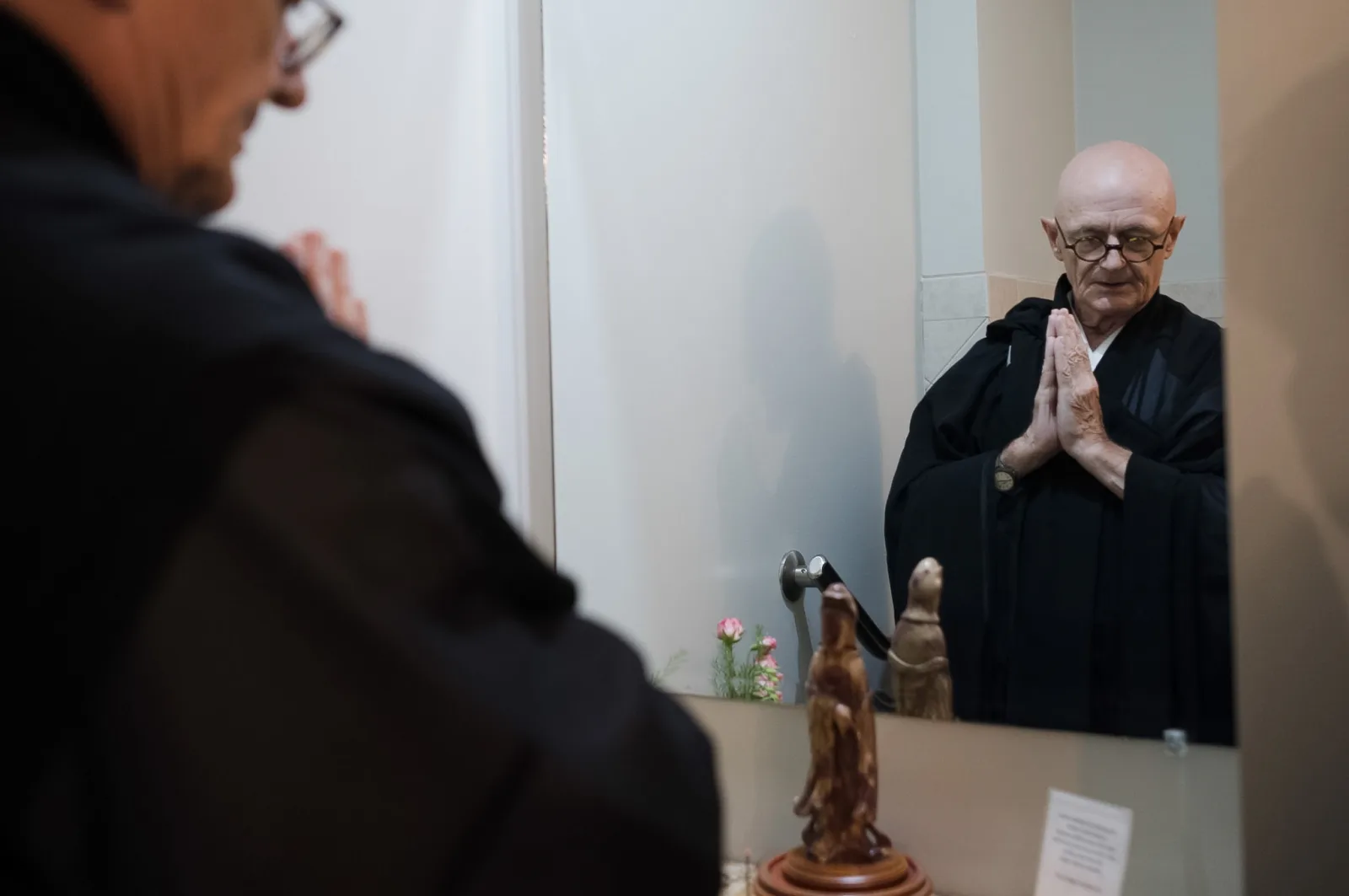
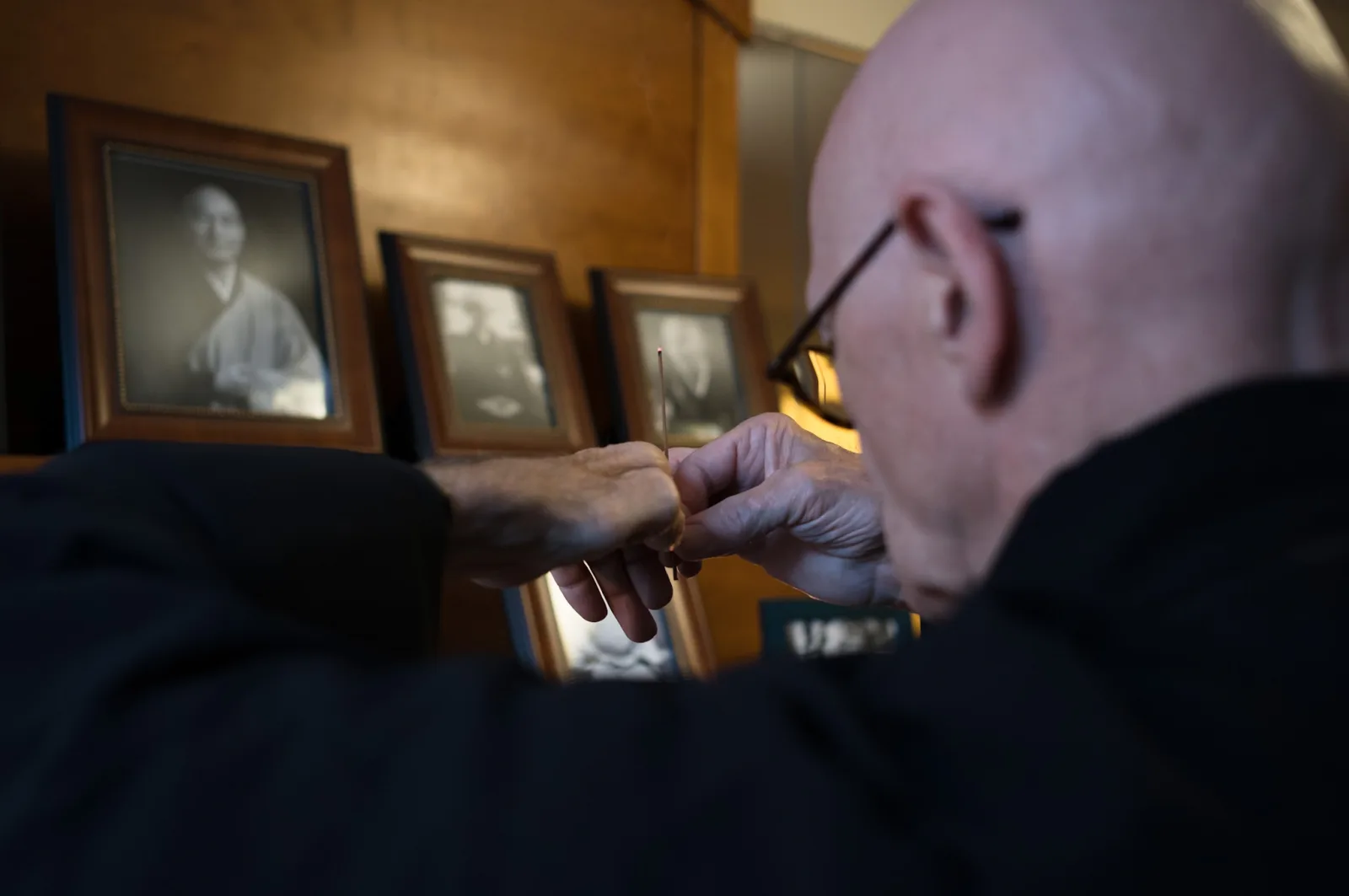
I photographed two friends, Ungo and Genshin. For these three months they are in a training period called Ango, which in Zen Buddhism means a time of deep practice. Every morning they are responsible for doing rounds at the temple — going through it to pay their dedication at the altars: the founder’s altar, the altar of the deceased, the altar of Shakyamuni Buddha, etc.
I followed them throughout, instructing them to disregard me as being there. I wanted to document the intimacy of a private ritual. I was mindful of the lighting, and I did not want to focus on their identity but on their unified presence — two people who together take up the roles of humble students practising deeply.
They also happen to be former partners, husband and wife for twenty years, separated for about a year now. To watch that relationship develop into this new kind of relationship was an interesting observation.
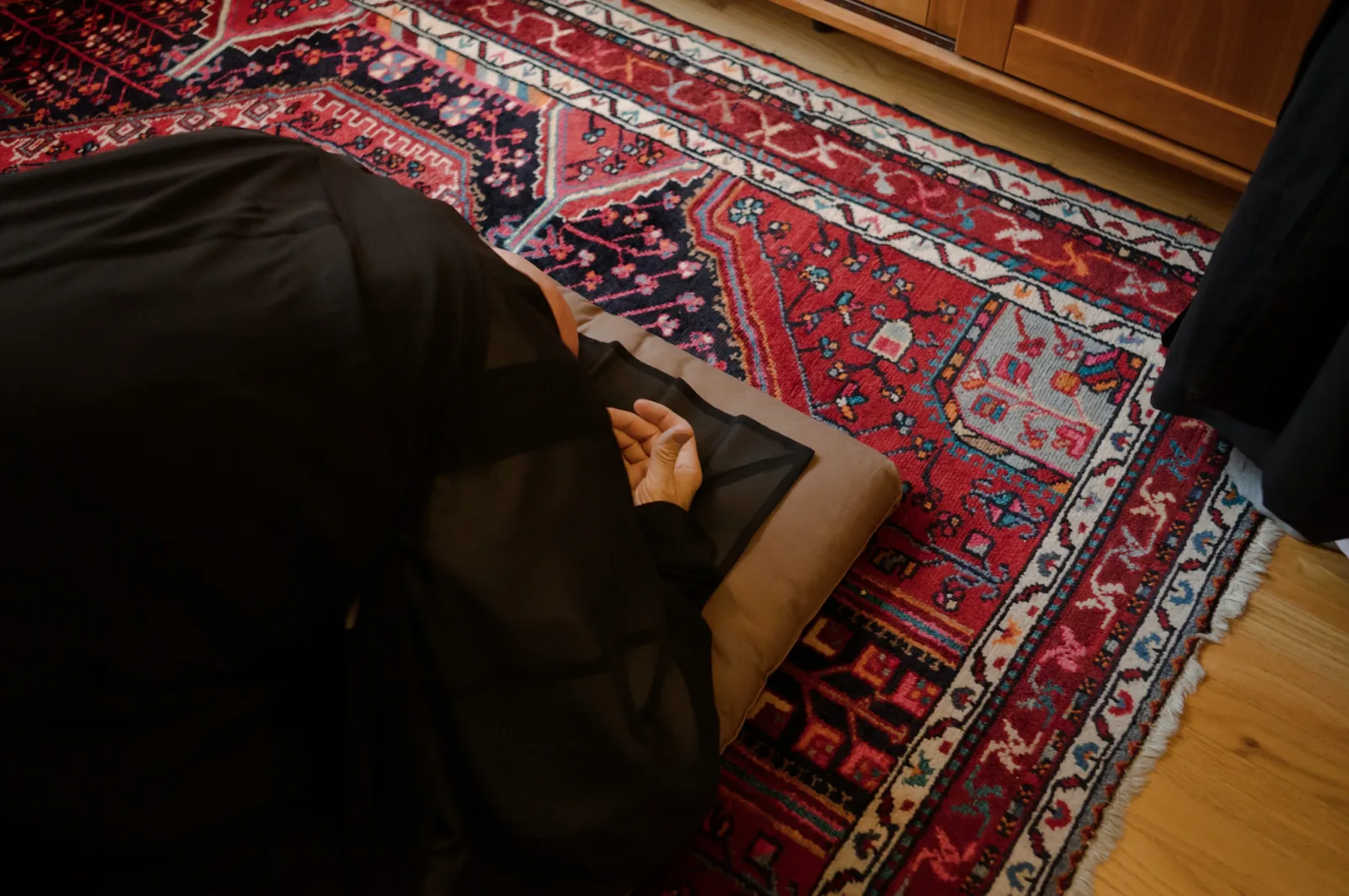
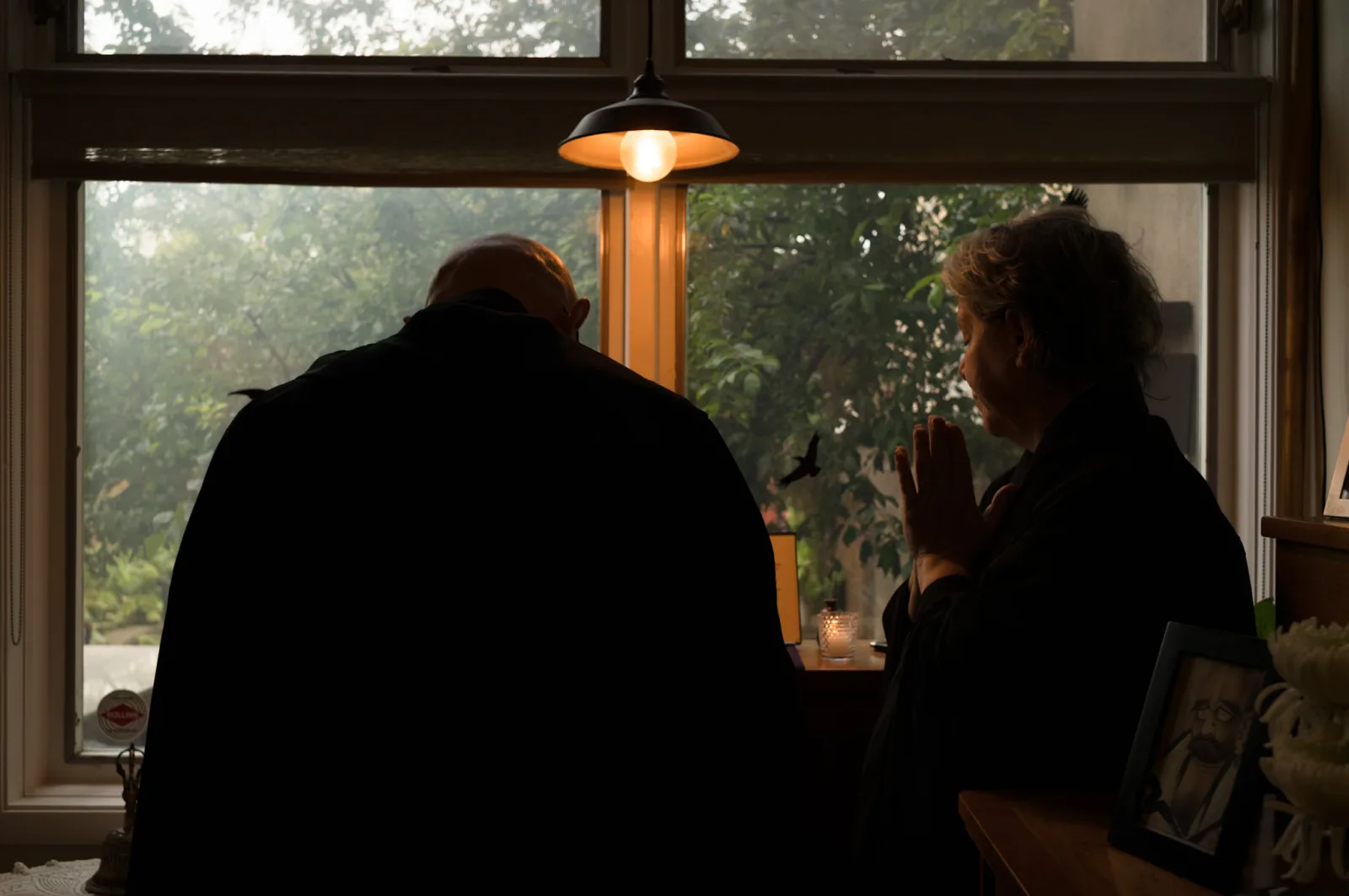
-
The Gaze
I photographed someone I had recently started getting to know — at the time of these pictures still something of a semi-stranger, someone I did not know much about but knew would be interesting to make a photograph with. The assignment was to collaborate with someone on making an image, which meant talking to them first and explaining what the assignment was.
When you photograph a person it is imperative to recognize the power you hold while pointing the camera, and the vulnerability you are asking of them. I don’t like staged photographs — posing, anything that feels fabricated — so I told her to act naturally. Before any of these were taken we sat on her rooftop and talked about relationships and heartbreak and personal growth, some of it threading on intimacy. By the time the camera came up there was already an established sense of safety, and what I would call emotional intelligence at play. That is my whole process with anyone in front of a camera: get them feeling safe and comfortable first.
I think about this because I was recently assisting on a shoot for a client, and after nearly every portrait the person who looked at their own picture showed some version of I don’t like how I look — a few said “ew”, one did not want to see it at all and walked away. It is our job to best represent the person. For this assignment, that means producing something that leaves them feeling empowered, with agency.
-
The Stranger
-
The Familiar
-
The Self
-
The Constructed Self
-
The Collaborator
-
Home / Belonging
-
The Edit
-
Bearing Witness