Community
20.7%First talked about Q2 2021
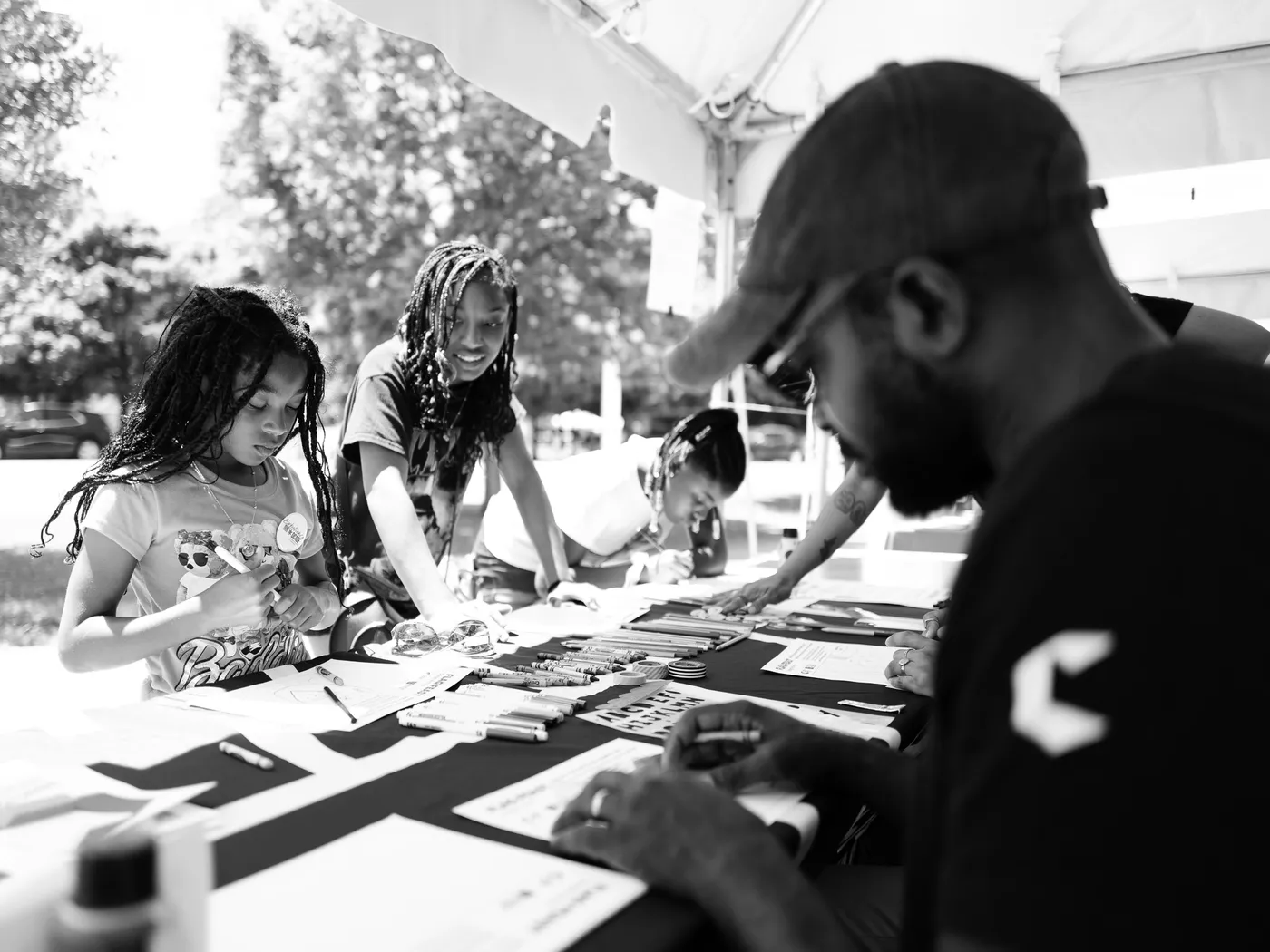
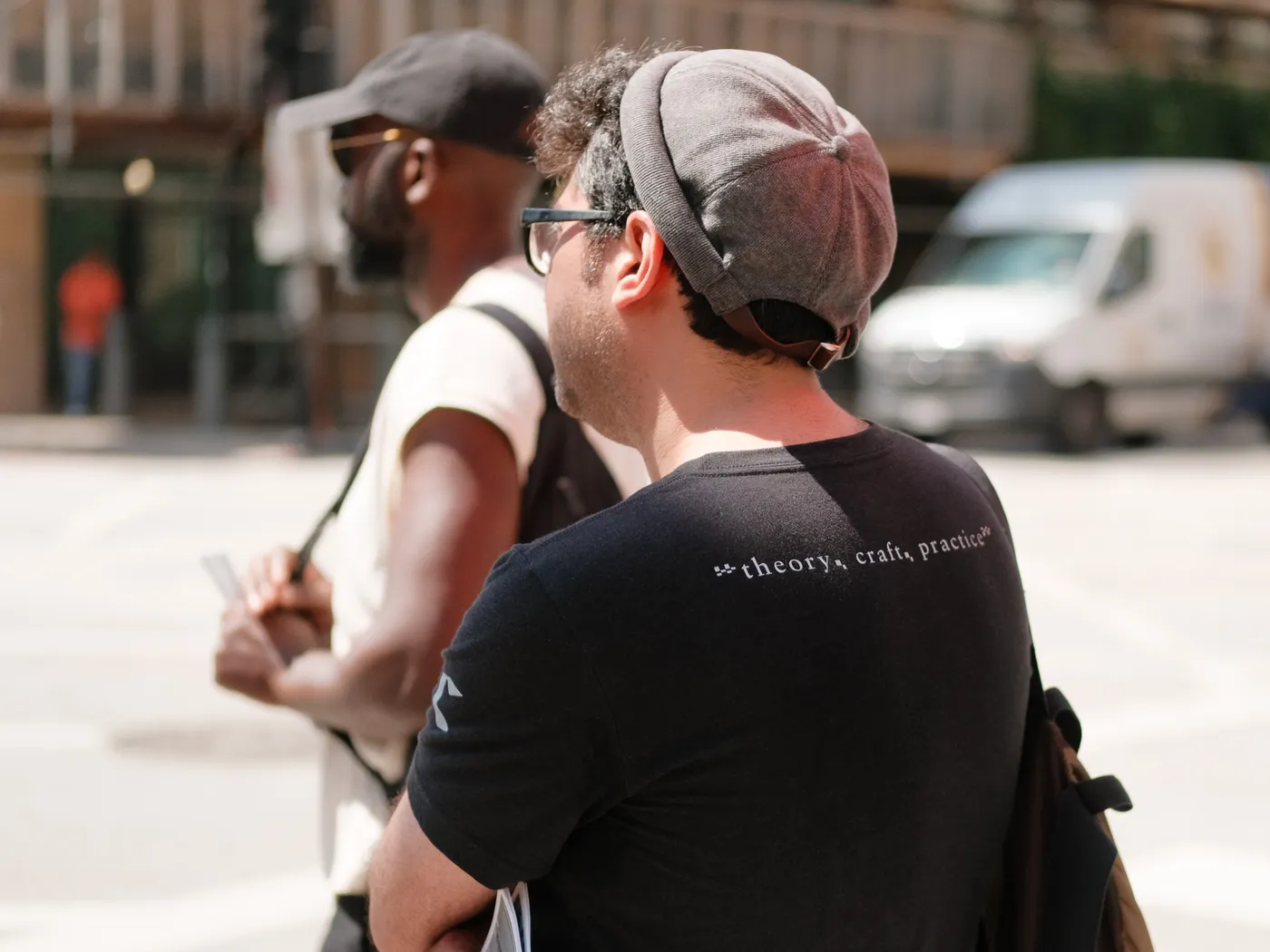
A celebration and appreciation of the people who make up who we are.
83Episodes
61Gatherings
35Articles
177Voices
-
The largest subject in the archive — the DNA of who we are.
78Episodes57Gatherings29Articles162Voices- Four years volunteering before the presidency — “that’s really scary and I don’t want to do this” — then checking tickets at his own events…Derek Desormeaux · Podcast episode2026-05
- Breaking “the big C community everyone is afraid to critique” down to you, your friends and your family at the club workshop…Eric Hotchkiss · Podcast episode2026-03
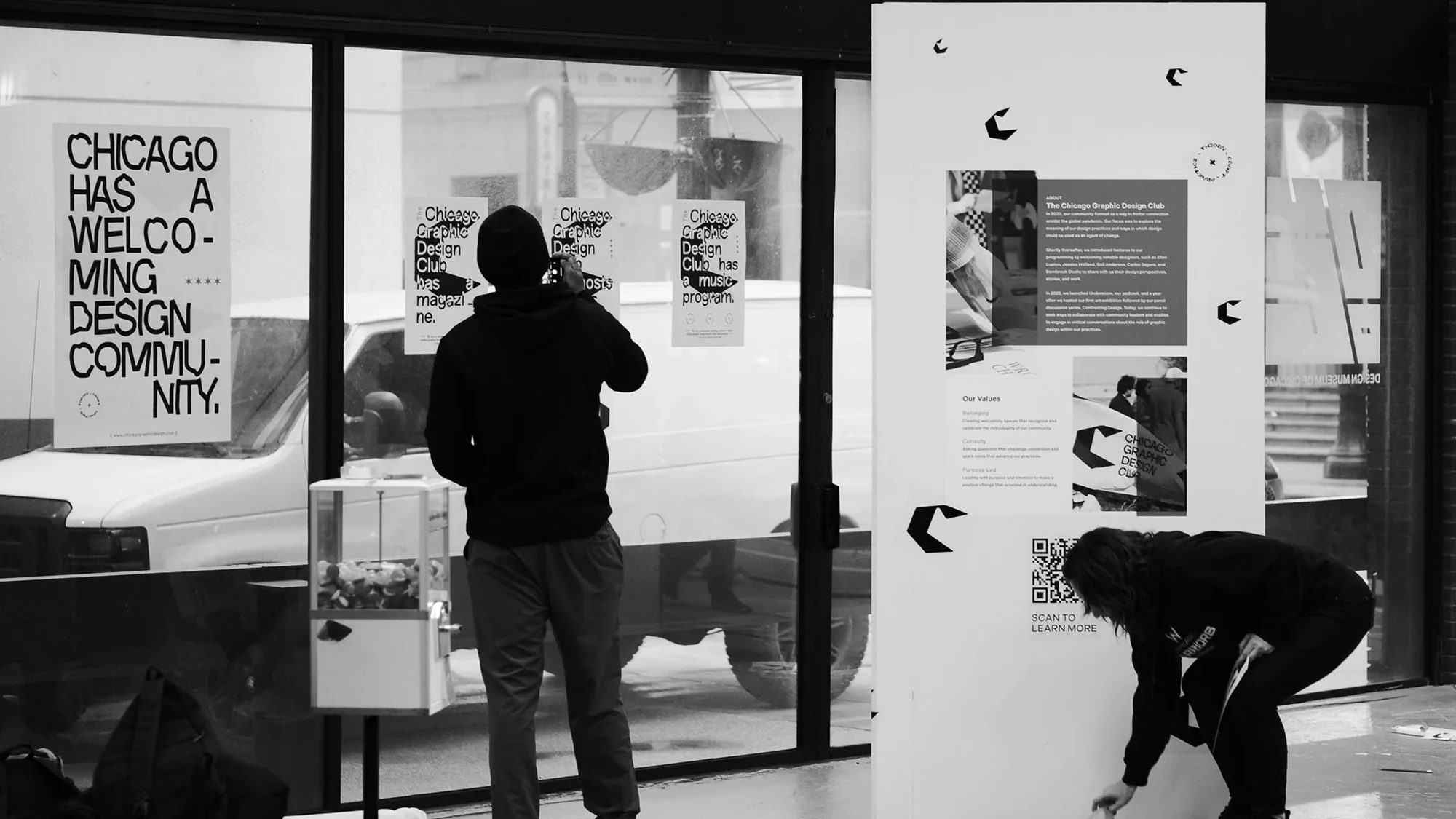
- The club started in April 2020 out of frustration that AIGA and the STA “turned their back on the community” when connection was most vital…Christian Solorzano · Podcast episode2026-02
- Driving in from Munster for the Normal studio tour on 6 October 2022, then emailing to say thanks; an open call for posters and a volunteer form he filled out…Hamid Alavi · Podcast episode2024-11
- She kept bugging the host for another in-person event until he said “you do it”; the room at Confronting Design glowing orange and yellow…Alexis Gonzalez · Podcast episode2024-10
- Eleven years of AIGA Chicago, from Small Talks volunteer to co-president; “the post-event glow”; 70 events a year on a working board…Valerie Craig · Podcast episode2024-08
- “Community is something I never really knew I needed until I had it”; the Minimal exhibition with almost 200 people and a line at check-in…Four Years Of The Chicago Graphic Design Club · Podcast episode2024-05
- “I feel an obligation to create spaces where other people can also experience that”; making well-known designers approachable rather than pedestalled…Christian Solorzano · Podcast episode2024-03
-
Tours, site visits, and programs designed for IRL.
2Episodes2Gatherings5Articles9Voices- Days filled with field trips to neighbouring cities, temple visits, museum tours, and studio happeningsCreating from Experience · Article2025-06
- The Sacred Valley as a living research site at the confluence of traditional and contemporary practicesImmersion in Peru · Article2025-02
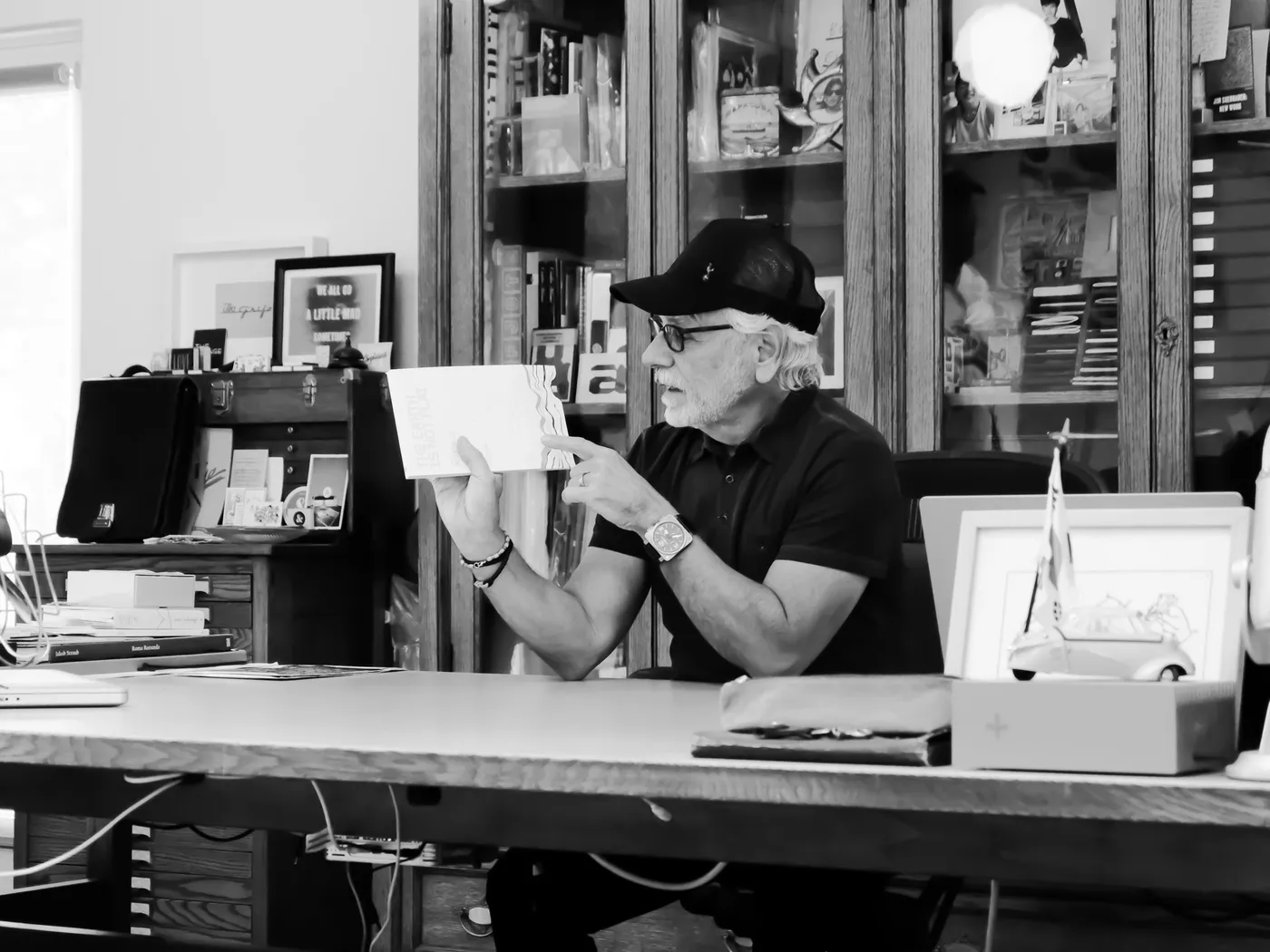
- A tour of Design B&B, a private virtual tour of Rick Valicenti’s studio, and Field Day at Navy PierReflection on 2024 · Article2025-01
- Oaxaca twice, smelling like the oven that made the tortilla and never being sold anything; thirteen or fourteen strangers in an unfamiliar place…Tony Bynum · Podcast episode2024-10
- Curates immersive experiences that allow people to interact with one another and exchange ideas in the real worldImmersions with Ashley Lukasik · Article2022-10
- Twenty people staying overnight on an urban farm in Colombia one day, a graffiti artist’s studio the nextAshley Lukasik · Podcast episode2022-10
- A two-hour guided walk capped at 15 people for an intimate, interactive encounter with the streetseeing-anew-a-downtown-chicago-walking-t · Program
- The meeting is the venue — a named cafe, thanks to the hostnovember-social-hour · Program
-
Working alongside someone, and the trust it takes to keep doing it.
3Episodes2Gatherings9Articles14Voices- Curiosity and trust, including trusting yourself to let other people have the better idea…Alisa Wolfson · Podcast episode2026-09
- Bringing on other designers and artists is crucial — they will bring something unexpected to the tableThe Small Details That Inspire · Article2026-05
- Murmur Ring has partnered with the Institute of Design and the Lima-based consultancy EmpathyImmersion in Peru · Article2025-02
- Writing this project as collaborators and long-time friends gave us an evolved perspectiveYou Are More Than a Graphic Designer · Article2024-06
- The sunk-cost fight over going back to stage three instead of stage ten, reading when a partner is frustrated, “we, not me” learned at Nike…Points Of Sail · Podcast episode2024-02
- None of this would be possible without the continuous support and collaborations we’ve had since our inceptionChicago‘s Tomorrow, Today · Article2023-04
- Divvy on behalf of Firebelly in collaboration with Ideo; Archive 13 with Matt WizinskyVisual design culture with Nick Adam · Article2022-09
- Partners in life, business and making — one breaks things, the other builds them, and they trade lecture decksMx Studio · Podcast episode2022-07
-
Curatorial practice enabling others to showcase work.
2Episodes1Gathering6Articles9Voices- Exhibited at the Museum of Contemporary Art Chicago, the Chicago Cultural Center, and Art on the MartCreating Through Community · Article2026-07
- Elizabeth Catlett at the Art Institute, Theaster Gates at the Smart, Native Pop! at the NewberryTop 10 of 2025 · Article2025-12
- Alexander Girard Reverberations Forever, named the day before taping…Suzie Shin · Podcast episode2025-08
- College of DuPage, Columbia College, the DePaul School of Design, and the SAIC Senior Design ExhibitClass of 2024 · Article2024-05
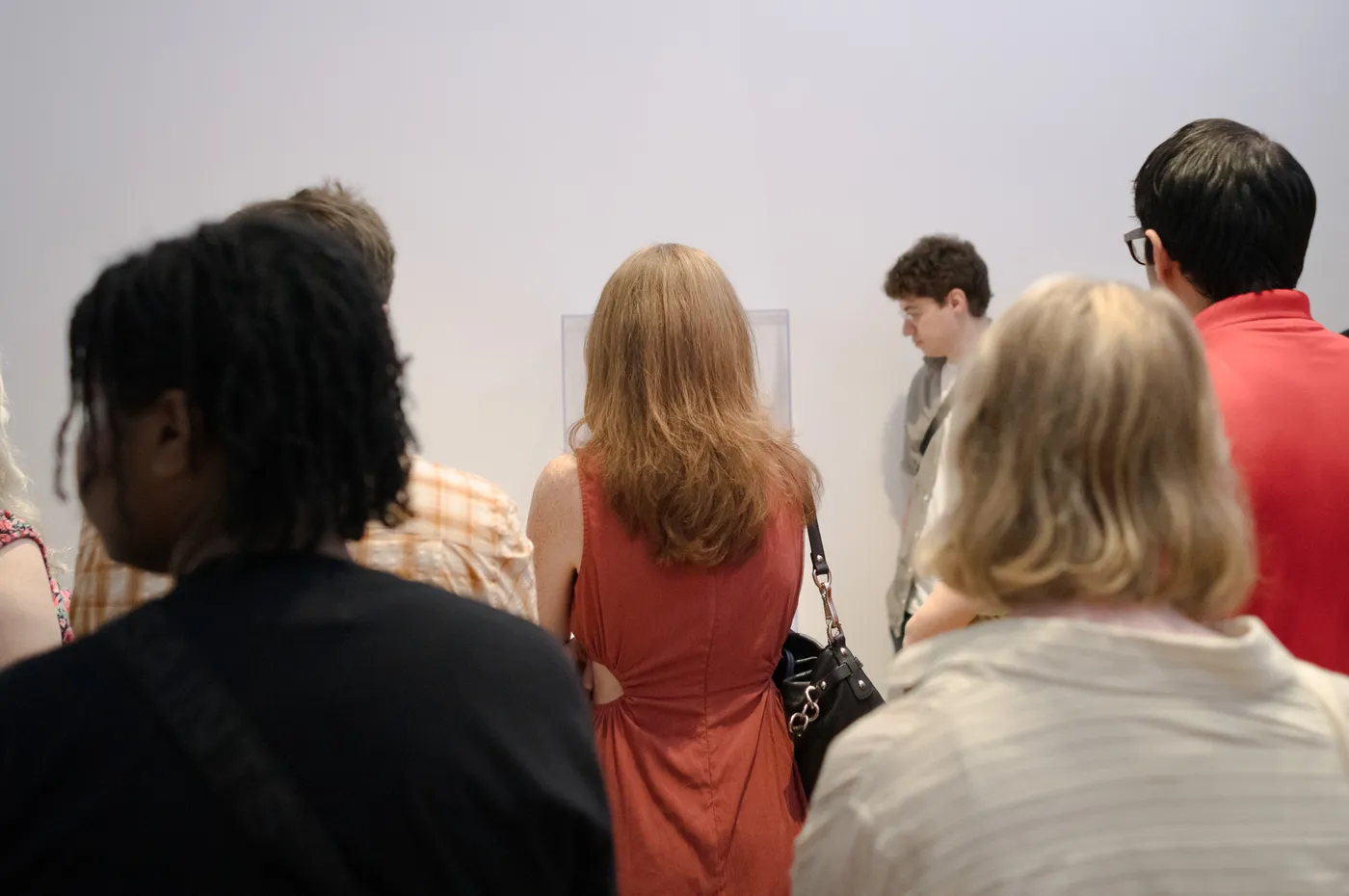
- The club held its first art exhibition at MNML, which had nearly two hundred people in attendanceChicago‘s Tomorrow, Today · Article2023-04
- Barbara Kennon’s 720 clocks, one per minute, boxed in a storage unit since 1989 and unpacked in 2022…Tanner Woodford · Podcast episode2022-10
- Each exhibition is uniquely designed in concert with the exhibition themes…Tanner Woodford and the Design Museum of Chicago · Article2022-10
- Exhibited at the Design Museum of Chicago, Letterform Archive, the Newberry Library and the Milton Glaser Design CenterVisual design culture with Nick Adam · Article2022-09
-
Juried shows.
1Episode2Gatherings3Articles6Voices- Euchre was awarded TDC’s Judge’s Choice, described as a sans designed with text in mindIn conversation with Jackson of Okay Type · Article2025-12
- We celebrate the best work as suggested by competitions and awardsSay It Louder · Article2025-11
- In year four he stripped the names off every entry…Bob Zeni · Podcast episode2022-08
- Years running the now defunct Archive design competitions hosted by the Society of Typographic ArtsStorytelling with Bob Zeni · Article2022-08
- AIGA medal, 2013Evidence of Things Unseen · Program2021-06
- Over two thousand awards, Graphis “one of the top ten designers in the world”an-evening-with-jennifer-sterling · Program